 Skip to content


The continued population growth in Southwest Florida makes careful investment planning particularly important. According to the U.S. Census Bureau, Cape Coral’s population reached an estimated 236,264 in July 2025, representing a 21.8% increase from its 2020 Census base. Fort Myers also grew by 17.5% during the same period, reaching an estimated 101,581 residents. Lee County as a whole grew 15.1%, reaching an estimated 875,607 residents in 2025. These trends create opportunities for new residential development, but population growth alone does not guarantee that a spec home will be profitable. Investors still need to carefully evaluate land costs, construction expenses, financing, taxes, insurance, market demand, and the property’s expected resale value.
Many first-time investors assume the biggest challenge is building the house. In reality, the hardest part is managing the countless decisions before construction even begins.
One mistake during site selection, budgeting, permitting, or contractor hiring can wipe out thousands of dollars in profit. For example, Florida’s Department of Revenue states that transfers of Florida real property are generally subject to documentary stamp tax, with a rate of 70 cents for each $100 or portion thereof of consideration in counties other than Miami-Dade. This is just one of the transaction-related costs investors need to account for when calculating the true project budget and potential return.
Whether you’re building in Fort Myers, Cape Coral, Naples, or the surrounding areas, avoiding these common mistakes will help keep your project on schedule, control costs, and position the property for a successful sale.
1. Building the Home You Want Instead of What Buyers Want
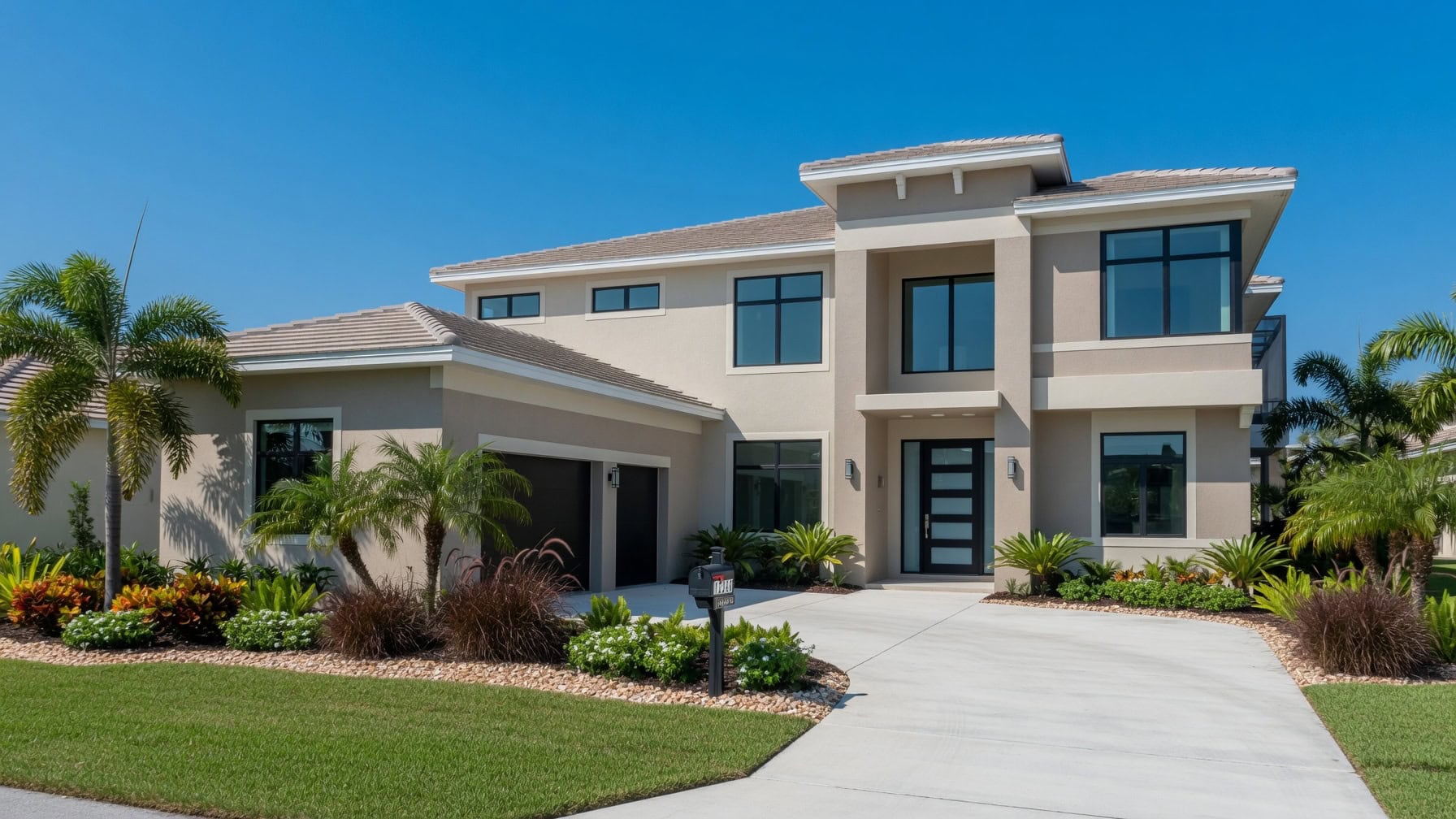
This is one of the biggest mistakes new investors make.
It’s easy to fall in love with custom features, expensive finishes, or unique layouts. The problem is that you’re not building your dream home—you’re building a product for the market.
The homes that sell the fastest usually aren’t the most unique. They’re the ones that match what buyers in the area are already looking for.
In Southwest Florida, that often means:
- Open-concept living spaces
- Three or four bedrooms
- Energy-efficient features
- Hurricane-resistant construction
- Comfortable indoor-outdoor living areas
Tip: Before finalizing plans, study recent comparable sales instead of personal preferences.
2. Not Knowing Who You’re Building For
Every successful spec home starts with one question:
Who will buy this home?
Are you targeting:
- Families?
- Retirees?
- Vacation home buyers?
- Investors?
- A Build-to-Rent project?
Each audience values different features.
For example, families often prioritize storage and flexible living space, while Build-to-Rent investors typically focus on durability and low maintenance costs.
Knowing your buyer early helps you make smarter design and budget decisions throughout the project.
3. Buying a Lot Without Understanding Site Costs
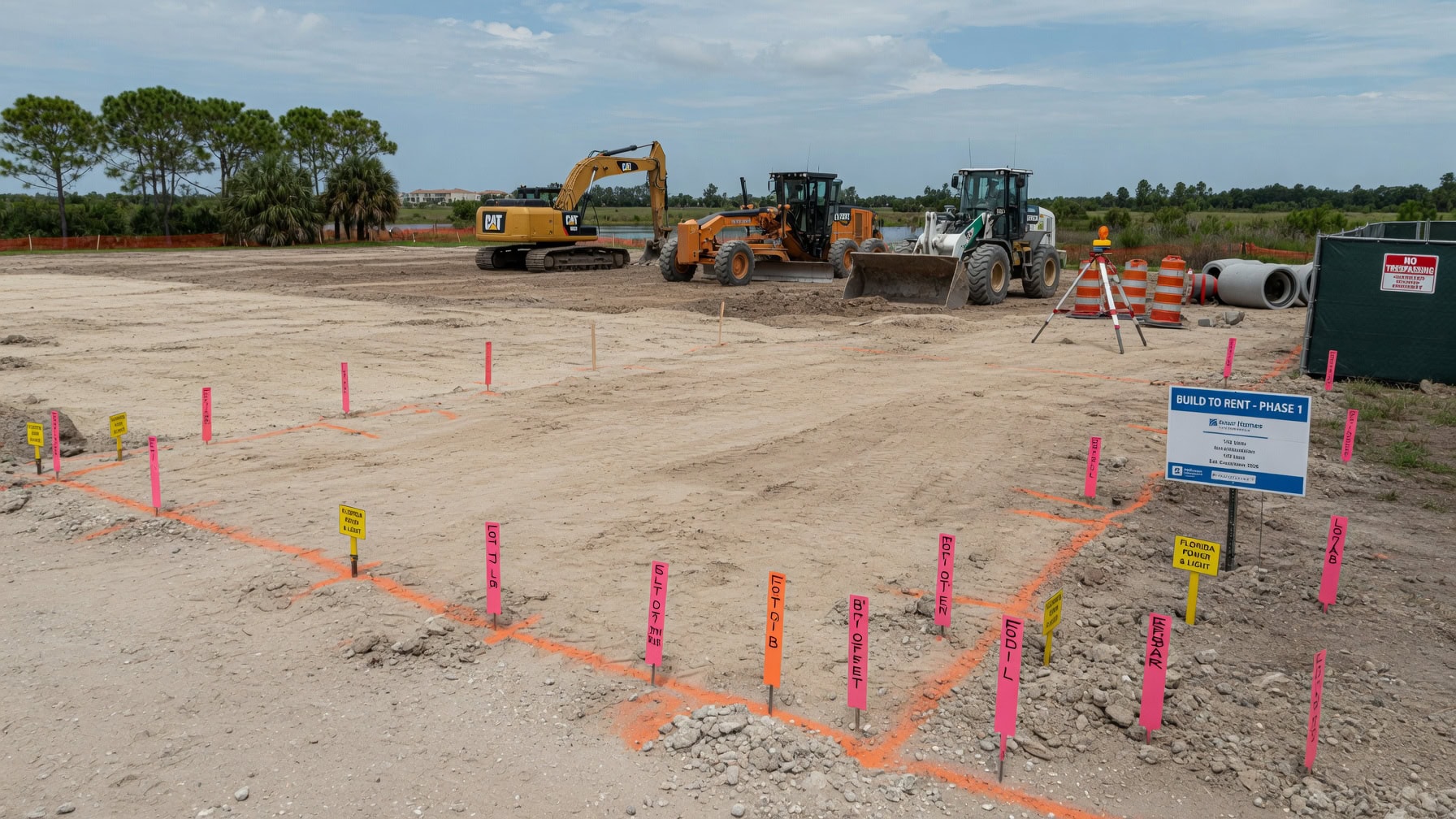
The purchase price is only part of what a lot will cost you.
Some properties require significant preparation before construction can even begin.
Unexpected expenses may include:
- Fill dirt
- Tree clearing
- Utility connections
- Septic or well installation
- Drainage improvements
- Environmental mitigation
- Flood elevation requirements
A lot that looks like a bargain can quickly become the most expensive part of the project.
Always perform proper due diligence before purchasing land.
4. Underestimating Carrying Costs
Every extra week your project sits unfinished costs money.
Many first-time investors focus only on construction costs while overlooking ongoing expenses like:
- Construction loan interest
- Property taxes
- Builder’s risk insurance
- HOA fees
- Utility costs
If your six-month schedule turns into nine months because of weather or permit delays, those additional carrying costs come directly out of your profit.
A realistic timeline—and a realistic budget—will always outperform an overly optimistic one.
5. Signing a Contract Full of Allowances
Not all construction contracts are created equal.
Some proposals look affordable because they include large material allowances instead of fixed pricing.
An allowance is simply a placeholder amount for products that haven’t been selected yet.
Later, when it’s time to choose cabinets, flooring, lighting, or plumbing fixtures, you discover the allowance doesn’t cover what you actually need.
That difference becomes a change order—and an unexpected expense.
Whenever possible, request detailed specifications and fixed pricing before construction begins.
6. Choosing the Lowest Bid
Everyone wants to save money.
But in construction, the cheapest bid often becomes the most expensive decision.
Low bids may mean:
- Lower-quality materials
- Inexperienced subcontractors
- Poor scheduling
- Limited supervision
- Numerous change orders later
Price matters, but experience matters more.
Choose a contractor with a proven track record, proper licensing, insurance, and a history of delivering projects on time.
7. Assuming Permits Will Be Quick
Permits are one of the most common causes of project delays.
Even after your plans are complete, you’ll still need approvals before construction can begin.
Depending on the municipality and the complexity of the project, permitting may take several weeks—or even longer if revisions are required.
Rather than assuming the fastest possible timeline, build permit review into your schedule from day one.
Planning for delays is much less expensive than reacting to them.
8. Spending Too Much on Upgrades
More expensive doesn’t always mean more profitable.
Every neighborhood has a price ceiling.
If comparable homes are selling around a certain value, adding premium finishes far beyond that standard won’t necessarily increase your selling price.
Focus your investment where buyers notice it most:
- Kitchen
- Primary bathroom
- Flooring
- Curb appeal
- Energy efficiency
Avoid overspending on upgrades that won’t produce a meaningful return.
9. Not Having a Contingency Budget
Unexpected costs happen on almost every construction project.
Material prices fluctuate.
Weather causes delays.
Inspections uncover issues.
Site conditions change.
Without a contingency fund, even a relatively small surprise can disrupt your entire project.
Most experienced builders recommend keeping an additional 10% to 15% of the total construction budget reserved for unforeseen expenses.
Hopefully, you won’t need it.
But if you do, you’ll be glad it’s there.
10. Trying to Manage Everything Yourself
Many first-time investors—especially those living out of state—try to coordinate everything remotely.
Managing subcontractors, inspections, deliveries, schedules, and quality control from hundreds of miles away rarely goes as planned.
Construction moves quickly, and problems need immediate attention.
Working with an experienced local contractor or construction management team helps reduce delays, improve communication, and keep the project moving forward.
Local knowledge often saves far more money than it costs.
You can also read: What Makes a Spec Home Sell Faster?
Final Thoughts
A successful spec home isn’t built by luck.
It’s built through careful planning, realistic budgeting, and experienced project management.
Avoiding these common mistakes won’t eliminate every challenge, but it will dramatically improve your chances of finishing on schedule, protecting your investment, and maximizing your return.
Whether you’re building your first spec home or expanding your investment portfolio, partnering with an experienced Southwest Florida builder can make every stage of the process smoother—from site selection and budgeting to construction and final delivery.


