 Skip to content


Building a duplex is a major investment, so choosing the right materials matters from the beginning. Good materials can improve durability, reduce maintenance, and help both units stay comfortable for years.
The cheapest material is not always the best choice. A better approach is to balance initial cost, durability, maintenance, energy efficiency, and long-term value.
If you are planning a duplex project, understanding the materials and their expected costs can help you make better decisions before construction begins.
Why Material Selection Matters in a Duplex
A duplex has two living units under one overall structure. That means certain materials, such as roofing, plumbing, insulation, flooring, and exterior finishes, need to handle more daily use.
Durable materials can also help reduce future repair costs. This is especially important if the property will be used as a rental or investment property.
Before selecting materials, it is also useful to understand the different aspects of duplex and multi-unit construction.
1. Concrete for the Foundation
The foundation is one of the most important parts of any duplex.
High-quality concrete and proper reinforcement can provide the strength needed to support the structure. The foundation should also be designed according to local soil, drainage, and building conditions.
Do not try to save money by reducing foundation quality.
2. Durable Framing Materials
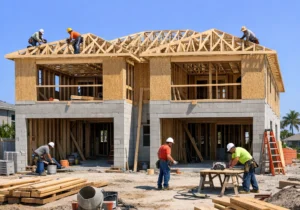
The framing creates the basic structure of the duplex.
Quality lumber or properly specified engineered materials can provide strength and stability. The right framing system can also make it easier to install insulation, electrical systems, and plumbing.
Material selection should always follow the structural plans and local building requirements.
3. Quality Roofing Materials
The roof protects both units from Florida’s weather.
Architectural shingles, metal roofing, tile, and other quality roofing systems can provide different levels of durability and cost. The best choice depends on the home’s design, budget, and expected lifespan.
A good roof can also help reduce future maintenance problems.
4. Impact-Resistant Windows and Doors
Windows and exterior doors should provide more than good appearance.
In Southwest Florida, homeowners and investors should consider products designed to handle strong weather conditions. Energy-efficient windows can also help improve indoor comfort and reduce cooling demands.
Strong exterior doors can provide additional security and durability.
5. Durable Flooring
Flooring receives constant use, especially in rental properties. Scratches, spills, furniture movement, and regular foot traffic can quickly damage low-quality materials.
Consider:
- Luxury vinyl flooring: It can provide a durable and easy-to-maintain surface for busy areas.
- Porcelain tile: Tile is a strong option for kitchens, bathrooms, and other areas where moisture is a concern.
- Ceramic tile: It offers durability and a wide range of design options.
- Quality laminate: Modern laminate can provide a practical alternative when budget and appearance both matter.
The best flooring choice depends on the room and how much daily use it will receive.
6. Moisture-Resistant Materials
Moisture is an important consideration in Florida construction.
Bathrooms, kitchens, laundry rooms, and exterior areas should use materials that can handle humidity and occasional water exposure.
Moisture-resistant drywall, appropriate sealants, quality tile systems, and proper ventilation can help protect the property over time.
7. Quality Kitchen Cabinets and Countertops
The kitchen is one of the areas that receives the most use.
Strong cabinets with durable hardware can last longer than inexpensive alternatives. Quartz, granite, and other durable countertop materials can also provide a good combination of appearance and performance.
If the project also includes future improvements, professional kitchen remodeling services can help maintain the property’s long-term value.
8. Durable Bathroom Fixtures
Bathrooms need materials that can handle moisture and frequent use.
Choose quality faucets, shower fixtures, toilets, sinks, and hardware. Good installation is just as important as the product itself.
For projects involving bathroom upgrades, bathroom remodeling services can help create spaces that are both attractive and practical.
9. Strong Interior Doors
Interior doors are easy to overlook, but they receive regular use.
Solid or well-built doors can provide better durability and a more finished appearance. For a duplex, they can also contribute to privacy between rooms.
Choose hardware that can handle repeated daily use without becoming loose or damaged.
10. Quality Insulation
Good insulation can make a noticeable difference in a duplex.
It helps control indoor temperatures and can reduce the transfer of heat and sound. This is particularly important when two separate units share walls or other structural elements.
Proper insulation should be planned together with the overall HVAC and building-envelope design.
11. Reliable Plumbing Materials
Plumbing problems can become expensive after construction is complete.
Quality pipes, fittings, valves, and fixtures can reduce the risk of leaks and premature failures. Each unit should also have a practical plumbing layout that makes future maintenance easier.
Good installation is essential. Even high-quality materials can fail when they are installed incorrectly.
12. Durable Exterior Materials
The exterior protects the building from sun, rain, humidity, and wind.
Fiber cement siding, stucco systems, masonry, and other properly selected exterior materials can provide durability with different maintenance requirements.
The right exterior material should match the local climate and the architectural style of the duplex.
Estimated Material & Construction Cost Breakdown
The exact cost of building a duplex depends on its size, location, design, site conditions, labor rates, and finish level. The table below can be used as a general planning guide, not as a contractor quote.
| Material / Construction Area | Typical Planning Cost | Approx. Budget Share |
| Foundation & Concrete | $8–$15+ / sq. ft. | 10–12% |
| Framing Materials | $11–$30 / sq. ft. | 15–17% |
| Roofing | $6–$18 / sq. ft. | 4–10% |
| Windows & Exterior Doors | Varies by specification | 5–9% |
| Insulation | $0.90–$2.60 / sq. ft. | 3–6% |
| Flooring | $4–$15 / sq. ft. | 3–5% |
| Cabinets & Countertops | Varies by finish | 6–10% |
| Plumbing | Varies by project | 10–12% |
| Electrical & HVAC | Varies by project | 10–19% |
| Interior Finishes | Varies by quality | 15–24% |
Note: These percentages are approximate planning ranges. They are not meant to be added together as a fixed construction quote because actual project budgets vary and some categories overlap.
Example: How a $500,000 Budget Could Be Allocated
For a hypothetical duplex with a $500,000 construction budget, an investor might use a preliminary allocation such as:
| Category | Example Budget |
| Foundation | $50,000–$60,000 |
| Framing | $75,000–$85,000 |
| Roofing | $25,000–$40,000 |
| Windows & Doors | $25,000–$45,000 |
| Flooring | $15,000–$25,000 |
| Kitchens | $30,000–$50,000 |
| Plumbing | $50,000–$60,000 |
| Electrical & HVAC | $50,000–$90,000 |
| Interior Finishes | $75,000–$120,000 |
These numbers are only for early budgeting. A real construction estimate should be based on architectural plans, engineering requirements, site conditions, material selections, permits, labor, and other project-specific costs.
Don’t Choose Materials Based Only on Price
A low purchase price can sometimes create a higher long-term cost.
For example, inexpensive flooring may need replacement sooner. Cheap fixtures may require more repairs. Poor exterior materials may need frequent maintenance.
Instead of asking only, “What is the cheapest option?”, ask:
- How long will it last?
- How much maintenance will it need?
- Is it suitable for Florida’s climate?
- Is it easy to repair or replace?
- Will it improve the property’s resale or rental appeal?
This approach can help create a better long-term investment.
Consider Durability When Building for Rental Income
Rental duplexes can experience more wear and tear than owner-occupied homes.
Tenants may move in and out several times over the property’s life. Flooring, doors, cabinets, paint, plumbing fixtures, and appliances can all experience heavy use.
Choosing durable materials from the beginning can reduce maintenance interruptions and make future turnovers easier.
Plan Materials Before Construction Starts
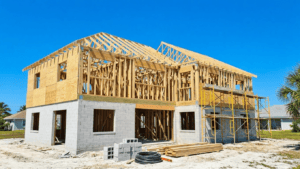
Material decisions should not be left until the last minute.
Finalize major selections early, including:
- Roofing
- Windows
- Doors
- Flooring
- Cabinets
- Countertops
- Plumbing fixtures
- Lighting
- Exterior finishes
Early planning can make budgeting easier and reduce delays caused by unavailable materials or last-minute substitutions.
Think About Long-Term Value
The best duplex is not necessarily the one built with the most expensive materials.
The goal should be to create a property that combines durability, functionality, appearance, and reasonable cost.
For investors, the right materials can help protect rental income and reduce maintenance. For homeowners, they can provide comfort and reduce the need for frequent repairs.
Final Thoughts
Choosing the best materials for a durable duplex requires more than comparing prices. The foundation, framing, roof, windows, insulation, flooring, plumbing, kitchens, bathrooms, and exterior materials all contribute to the building’s long-term performance.
A smart material strategy focuses on quality where it matters most while keeping the overall construction budget under control.
With careful planning and professional construction management, a duplex can be built to provide reliable performance, lower maintenance needs, and better long-term value.


